
CARBON
In 2020, Interloop joined the Carbon Leadership Program, a collaboration between the Apparel Impact Institute and RESET Carbon, uniting the industry's efforts to reduce carbon emissions across the supply chain. Simultaneously, we registered with the Carbon Disclosure Project, consistently reporting our climate change assessments since then.
Our commitment to decarbonise our operations can be seen through our initiatives such as adopting renewable energy sources, investing in LEED manufacturing for energy conservation, and transitioning to biomass based fuel, resulting in a complete phase out of coal usage.
TARGET 2025
25% GHG emissions reduction
25 MW Solar energy capacity
Emissions Reduction Initiatives
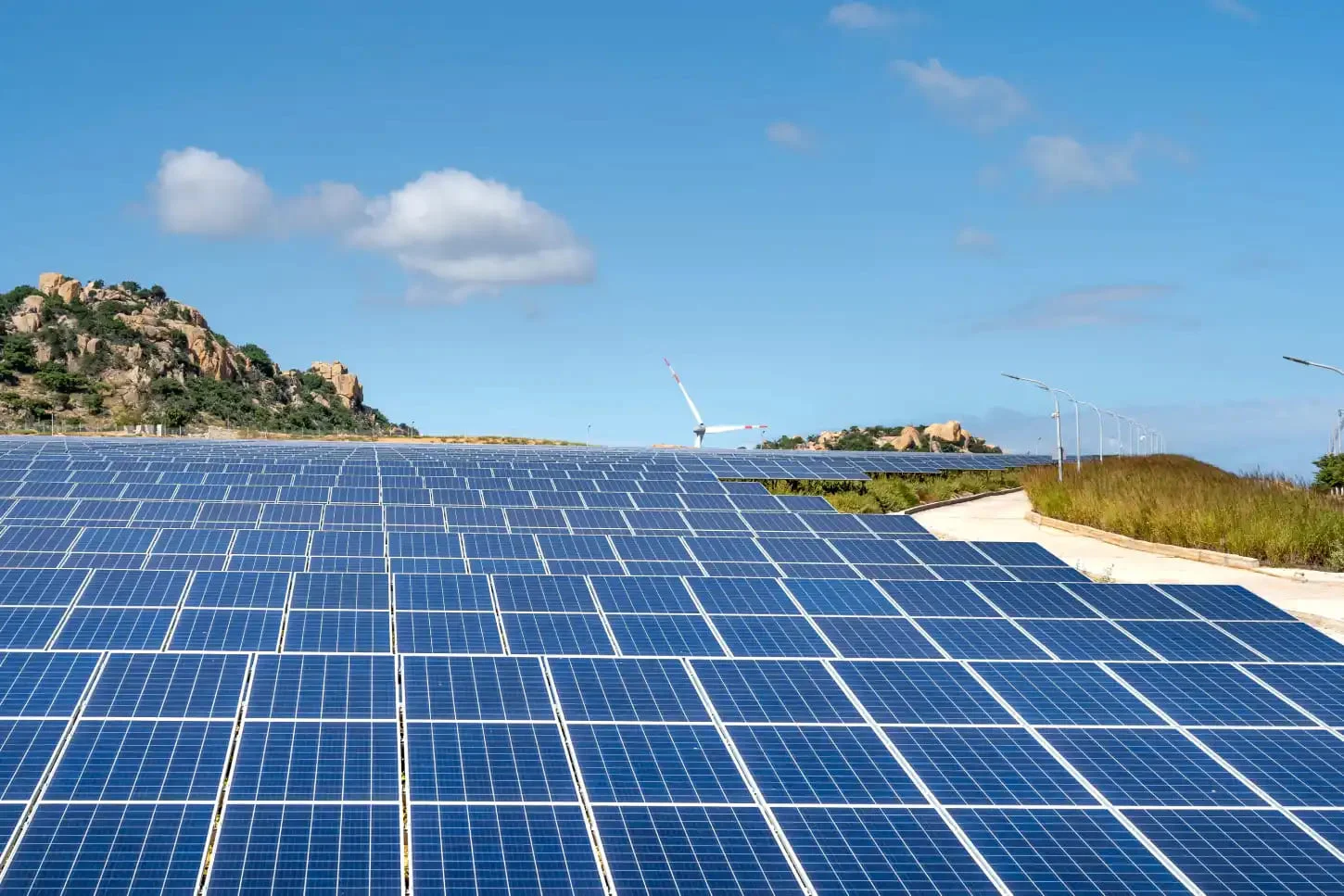
Solar Energy
We are increasing our reliance on renewable energy sources, leading to a greater share of clean energy that aligns with SDG-7's focus on Affordable and Clean Energy. Currently, we have 17 MW of solar energy capacity installed on rooftops.
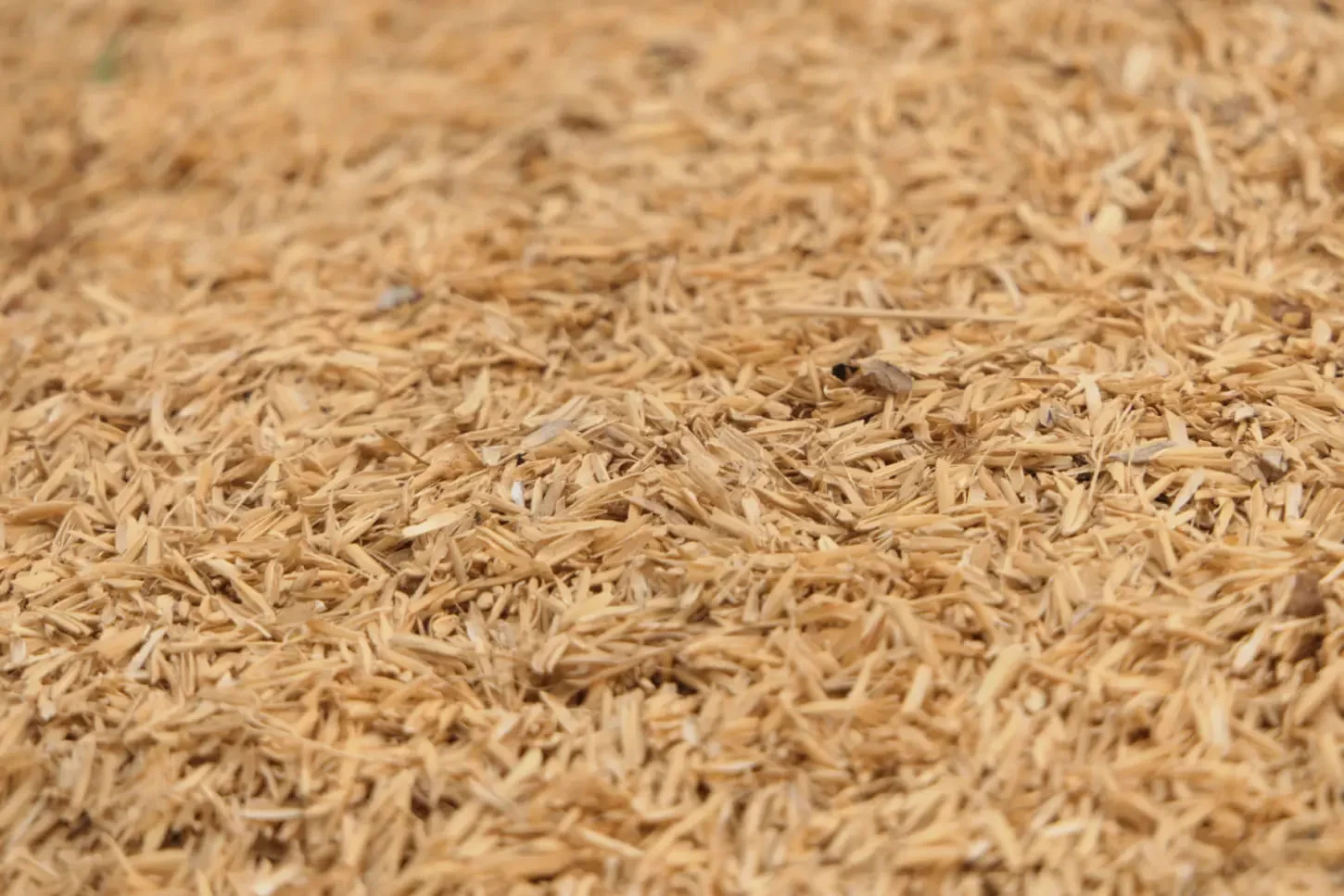
Biomass Fuel
Interloop meets some of its energy needs by using biomass as fuel. Presently, we are in the process of implementing a large-scale project to establish a reliable biomass supply chain feeding into all our expansion projects, including the new Apparel Park.
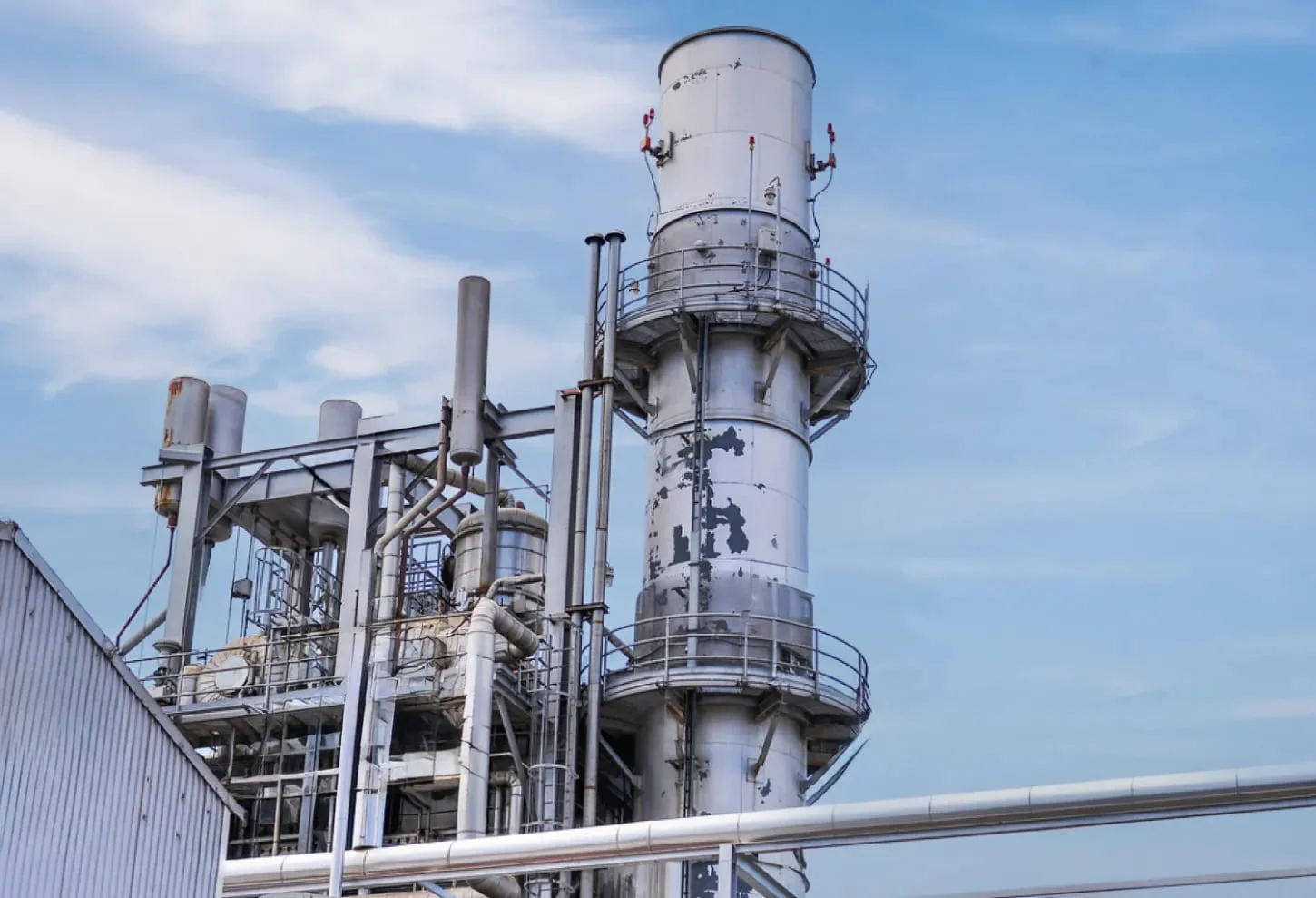
Heat Recovery System
To enhance our emissions reduction efforts, we have integrated heat recovery systems into our filament yarn dyeing facility to optimise dyeing processes. We are also harnessing free steam from waste heat recovery boilers.